

Our recommended picks for European city breaks in 2026 are Rome, Barcelona, Prague, Amsterdam, Lisbon and Budapest. Each delivers a complete and rewarding experience in 48 to 72 hours, with direct flights from UK airports under three hours. At Broadway Travel, we make it straightforward to compare and book flight-and-hotel packages to all of these destinations in one place.
This guide covers city profiles, ideal trip durations, seasonal timing, approximate costs and practical booking advice. Whether you are planning your first European short break or looking for a fresh destination after ticking off the obvious ones, the information below gives you a clear starting point.
Key takeaways
- Top six picks: Rome, Barcelona, Prague, Amsterdam, Lisbon and Budapest cover the full range of budgets, interests and available nights.
- Ideal duration: Prague and Amsterdam work well in 48 hours; Rome, Barcelona and Lisbon each benefit from three nights.
- Sweet spot for timing: April to May and September to October offer comfortable temperatures, fewer visitors than at peak summer and prices below summer highs.
- Book in advance: The Anne Frank House, Colosseum and Sagrada Família all require pre-booked timed entry tickets.
- ATOL protection: Bundled flight-and-hotel packages from UK-based agencies include ATOL financial protection; separate bookings generally do not.
Which European cities are worth a short break in 2026?
The iconic destinations that still justify the hype
Rome, Paris, Barcelona and Amsterdam remain the headline picks for good reason. Each offers a concentrated sightseeing core, direct flights from UK airports and enough variety to fill every waking hour of a short break. Paris and Rome both benefit from three nights rather than two, given the sheer number of major sights spread across each city. Amsterdam is the exception: its compact canal belt and walkable Museumplein make it genuinely achievable in a single weekend.
Barcelona sits comfortably in this tier as well. Gaudí landmarks, the Gothic Quarter, Barceloneta beach and outstanding food create a destination that fills 72 hours without forcing any uncomfortable compromises. From Gatwick, return flights to Barcelona can be found at competitive low-cost fares, making it accessible even on a tighter budget.
Best-value cities for budget-conscious travellers
Prague and Budapest are the strongest options when cost is a priority. Prague is particularly efficient for a 48-hour visit: the Old Town, Charles Bridge and Prague Castle all cluster within easy walking distance of each other, which means less time in transit and more time actually seeing the city.
Kraków is worth considering if you have already done Prague. It follows a similar pattern, a manageable historic centre, a strong restaurant scene and accommodation costs that undercut most Western European capitals, though it sits outside our core six and receives less detailed treatment here.
Why Lisbon and Porto keep appearing on every 2026 travel list
Lisbon has earned its place on 2026 travel lists through a combination of historic tram routes, hilltop viewpoints, outstanding seafood and some of the mildest autumn weather in Europe. Hotel rates fall noticeably in autumn compared to July and August, while warm evenings continue well into October. Porto, with its smaller scale and compact Ribeira district, works particularly well as a two-night destination and offers strong value compared to cities of equivalent charm in Western Europe.
How long do you actually need in each city?
Cities that work perfectly in 48 hours
Prague and Amsterdam are the two strongest two-night options from our core six. Both have compact historic centres where the major attractions cluster within walking distance, so you spend your time at the sights rather than on public transport. In Prague, the castle, Charles Bridge and Old Town Square can all be covered in two full days without feeling rushed. Amsterdam's canal belt, Rijksmuseum and Van Gogh Museum are similarly concentrated, making the city surprisingly manageable for a long weekend.
When three nights makes a real difference
Rome, Paris and Barcelona each benefit from the extra night. In Rome alone, the Vatican, Colosseum, Roman Forum, Pantheon and Trastevere are spread across a substantial city. Two days forces uncomfortable choices about what to skip; three days allows you to move at a pace that actually lets the city sink in. Barcelona adds beach time, Gaudí landmarks and the Gothic Quarter to a list that genuinely fills 72 hours. Plan for three nights and you return feeling you experienced the city rather than sprinted through it.
Top sights to fit into a 48–72 hour itinerary
Rome and Barcelona: a framework for three days
For Rome, structure your three days around proximity. Day one covers the Colosseum and Roman Forum, pre-booked timed tickets are compulsory, and the standard 24-hour ticket costs €18 for adults (as listed on the Parco Archeologico del Colosseo official ticketing page; prices checked for 2026). Day two takes in the Vatican and Castel Sant'Angelo. Day three works well for Trastevere, the Pantheon and Campo de' Fiori. Stay in Monti or the Centro Storico to keep walking distances manageable.
For Barcelona, day one centres on Sagrada Família and Park Güell, both requiring timed entry booked well in advance. Day two suits the Gothic Quarter and La Boqueria. Day three works for Barceloneta and Passeig de Gràcia. El Born or Eixample are the strongest base neighbourhoods for a first visit.
Prague and Amsterdam: making the most of two nights
In Prague, arrive and head directly to Malá Strana and Prague Castle (basic circuit tickets cost 450 CZK and are valid for two days, per the castle's official ticketing pages). Walk Charles Bridge at dusk, then spend day two on the Old Town Square, the Astronomical Clock and Josefov. Prague Castle does not require advance booking for standard admission, which makes spontaneous planning considerably easier here than in Rome or Barcelona.
Amsterdam requires more forward planning. The Anne Frank House releases tickets every Tuesday at 10:00 Amsterdam time for visits six weeks later; missing the release window means missing the house entirely. Adult tickets are €16.50 (per the Anne Frank House official ticket page; price checked for 2026). With that secured, pair it with a canal belt walk on day one and the Rijksmuseum and Van Gogh Museum on day two. Stay in the Jordaan or Canal Ring for the best walking access to both days' sights.
Budapest and Vienna: the Central European classics
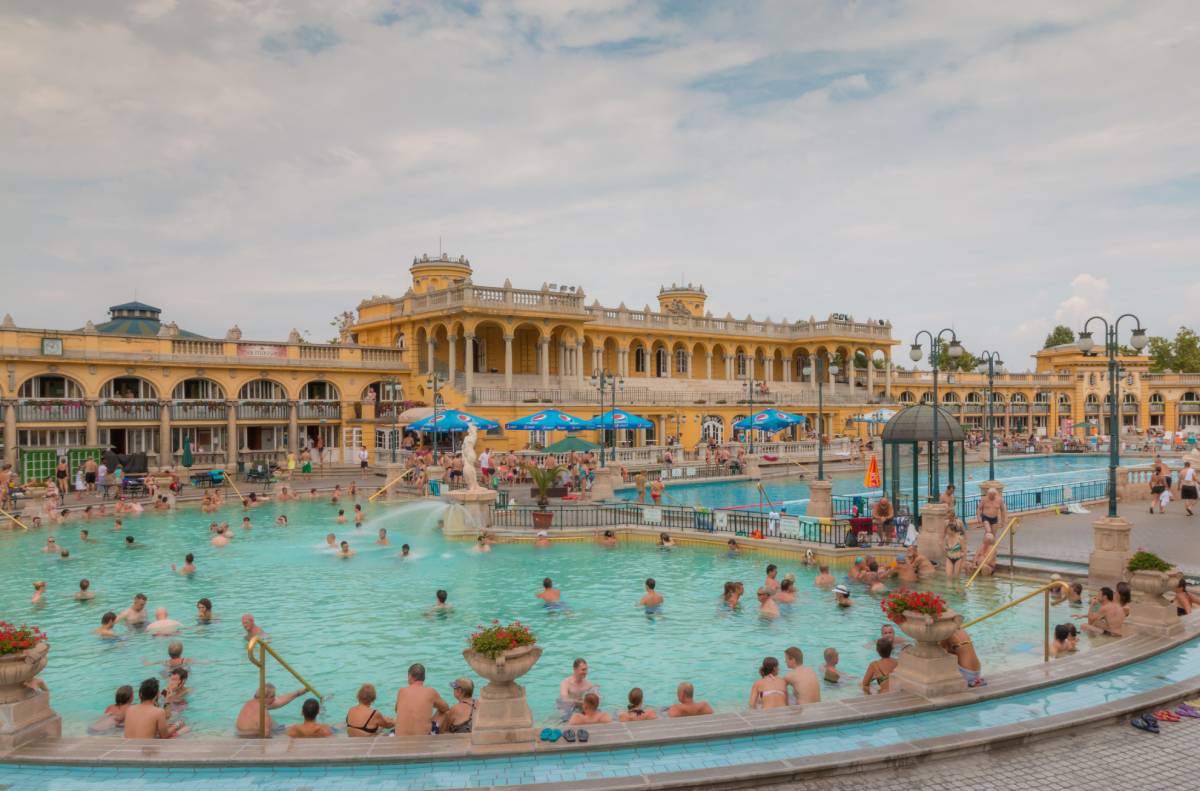
Budapest delivers a distinctive mix that suits two or three nights equally well. Buda Castle and the Fisherman's Bastion provide views across the Danube; Széchenyi thermal baths are the most accessible of the city's famous bath houses; and the ruin bars in the Jewish Quarter offer an evening scene unlike anywhere else in Europe. The Parliament building is best appreciated from the river bank rather than a queue.
Vienna's itinerary centres on Schönbrunn Palace, the Kunsthistorisches Museum, the Naschmarkt and a long afternoon in a traditional coffee house. The U-Bahn connects all of these efficiently, which is one reason Vienna consistently ranks among the easiest European cities to navigate on a short break.
When is the best time to visit each destination?
Spring and autumn: the sweet spot across most of Europe
April to May and September to October offer the strongest combination of comfortable temperatures, thinner crowds and prices below peak-summer levels. Prague and Budapest are particularly rewarding in this window, with mild days and fewer visitors than in July or August. Lisbon stands out in autumn specifically, with warm evenings continuing well into October and hotel rates that are noticeably lower than during summer.
Christmas market season and what it means for your budget
Vienna, Prague and Budapest all run Christmas markets from late November to approximately 23 December. The atmosphere during this period is hard to match anywhere in Europe, but prices rise sharply and accommodation books out early. Travellers wanting market season breaks should secure packages at least three to four months in advance. Broadway Travel offers bundled Christmas market city break packages that include return flights and central hotels, which simplifies planning considerably during this competitive booking window.
When to reconsider the summer peak
July and August push prices and queues to their highest in Rome and Barcelona. If summer is the only viable option, early July or late August are marginally more manageable. Amsterdam is the notable exception: summer is actually among the least crowded periods relative to its year-round visitor numbers, making it one of the few destinations where a July visit presents no particular disadvantage.
What does a European city break cost from the UK?
Booking flights and hotels separately can appear cheaper at the research stage but may cost more overall once baggage fees, transfers and other add-ons are factored in. A bundled package from a UK-based agency like Broadway Travel locks in both components at a set price and includes ATOL financial protection. Under ATOL rules, if the organiser becomes insolvent before your departure, you are entitled to a refund; if you are already abroad, the scheme can help with your return journey. Booking components separately generally does not provide this protection.
How to book your European city break with confidence
A bundled city break package means a single transaction, one point of contact if anything changes and ATOL protection built in. For short breaks where planning timelines can be tight, having flights and accommodation confirmed together removes the risk of one element selling out while you are still finalising the other. The package approach is especially valuable for Christmas market breaks and popular spring departures, where availability tightens early.
Broadway Travel offers European city break packages across all the major destinations covered in this guide, including Rome, Barcelona, Prague, Amsterdam and Budapest. The platform lets you compare departure airports, travel dates and hotel categories in a single search, which is particularly useful if you are flexible on timing and want to identify the most competitive window. For popular periods, checking packages as soon as your dates are confirmed is the most reliable approach to securing both price and availability.
Ready to book your 2026 European city break?
The right European city break in 2026 comes down to three things: your budget, the number of nights you have and the type of experience you are after. Prague and Budapest lead on value; Lisbon, Rome and Barcelona offer the broadest variety; Amsterdam is among the most efficient options for exactly 48 hours.
Whatever the destination, booking a bundled package that includes flights and a central hotel is the most straightforward approach for UK travellers. It removes the planning complexity, secures your booking in one transaction and gives you ATOL protection that separate bookings simply do not provide.
Get in touch with our team at Broadway Travel or browse current European city break deals on our platform to compare dates, departure airports and hotel options. The most popular spring and Christmas market departures sell quickly, so the sooner you start comparing, the more choice you will have.
Frequently Asked Questions
Do bundled flight-and-hotel packages include ATOL protection?
Yes, bundled flight-and-hotel packages from UK-based agencies include ATOL financial protection. Under ATOL rules you are entitled to a refund if the organiser becomes insolvent before departure, and the scheme can help with your return if you are already abroad; separate bookings generally do not provide this protection.
Which cities genuinely work as 48-hour short breaks?
Prague and Amsterdam are the strongest options for a 48-hour visit. Both have compact historic centres where the main sights cluster within walking distance, letting you see Prague Castle, Charles Bridge and Old Town Square or Amsterdam's canal belt and key museums without excessive transit time.
When is the best time to travel to avoid crowds and high prices?
April to May and September to October are the sweet spots for most destinations, offering comfortable temperatures, thinner crowds and prices below peak summer levels. Lisbon stands out for autumn specifically, with warm evenings into October and noticeably lower hotel rates than in July and August; Christmas market periods have great atmosphere but demand and prices rise, so book three to four months in advance for those breaks.