

The 15 best cities to visit in Europe right now are Paris, Rome, Barcelona, Prague, Budapest, Vienna, Lisbon, Porto, Seville, Dubrovnik, Split, Valletta, Krakow, Ghent, and Ljubljana. Together they cover every trip type: weekend breaks, culture-heavy escapes, coastal city visits, and budget-friendly short breaks that won't stretch your annual leave. International arrivals across Europe continue to grow in 2026, with strong demand across both established capitals and rising-star destinations that most package holiday brochures still overlook. Broadway Travel offers ready-made city-break packages to many of these destinations, bundling flights and hotels into a single, transparent price so you can spend less time on comparison sites and more time mapping your itinerary.
Whether you have 48 hours or five nights, this guide gives you the top sights, the best travel windows, and honest guidance on which city suits your trip type. Start with the shortlist below, then work through the sections that match your travel style.
Best cities to visit in Europe: key takeaways
- Shoulder season wins: April to June and September to October offer the best combination of comfortable weather, manageable crowds, and lower hotel prices across most cities on this list, though city-specific variations apply, so check each entry below.
- Pre-book the big sights: Sagrada Família, the Vatican Museums, the Colosseum, and the Royal Alcázar in Seville all require timed entry. Book well in advance, particularly in peak season.
- Budget picks deliver most: Krakow, Lisbon, and Porto are consistently cited as excellent-value choices among European city-break destinations for UK travellers, with lower hotel and dining costs than their Western European counterparts.
- Weekend breaks have clear winners: Prague, Budapest, Valletta, and Ghent all pack enough into 48 hours to make a short trip genuinely satisfying.
- Package holidays simplify the process: Broadway Travel bundles flights and hotels for most of these destinations, making it straightforward to book your European city break in one place.
European icons that still deliver in 2026
Paris, Rome, and Barcelona attract millions of visitors each year for good reason, and each remains genuinely unmissable, provided you plan around the crowds rather than walking straight into them.
Paris: the city that doesn't need an introduction
Pair the Louvre and the Eiffel Tower on Day 1, then spend Day 2 in Montmartre and Sainte-Chapelle. The Louvre alone warrants half a day, so start early and pre-book both attractions online. An evening walk along the Seine embankment costs nothing and is consistently ranked among visitors' favourite Paris experiences. The shoulder months of April to June and September to October give you manageable crowds and noticeably lower hotel rates than midsummer.
Rome: ancient history you can actually walk through
Hit the Colosseum and Roman Forum in the morning, then work through the Pantheon and Trevi Fountain in the afternoon. Save Vatican City for Day 2 and budget at least half a day for the museums, the Sistine Chapel, and St Peter's Basilica. Book both the Colosseum and Vatican Museums in advance; turning up without a ticket in peak season costs you hours. March to May and October are the most comfortable months; July and August are hot and relentlessly busy.
Barcelona: Gaudí, beaches, and a city that buzzes at night
Sagrada Família and Passeig de Gràcia fill Day 1 comfortably, with Park Güell and the Gothic Quarter rounding out Day 2. Timed tickets for Sagrada Família are non-negotiable; the earliest morning slots are significantly less crowded. May, June, or September give you warm weather without the price spike that July and August bring to hotels across the city.
Which central European cities should you book for 2026?
Prague, Budapest, and Vienna each make a strong case for a city break, with differences that come down to atmosphere and budget rather than quality. All three rank among the top European cities to visit for culture, architecture, and value.
Prague: fairy-tale streets with serious value for money
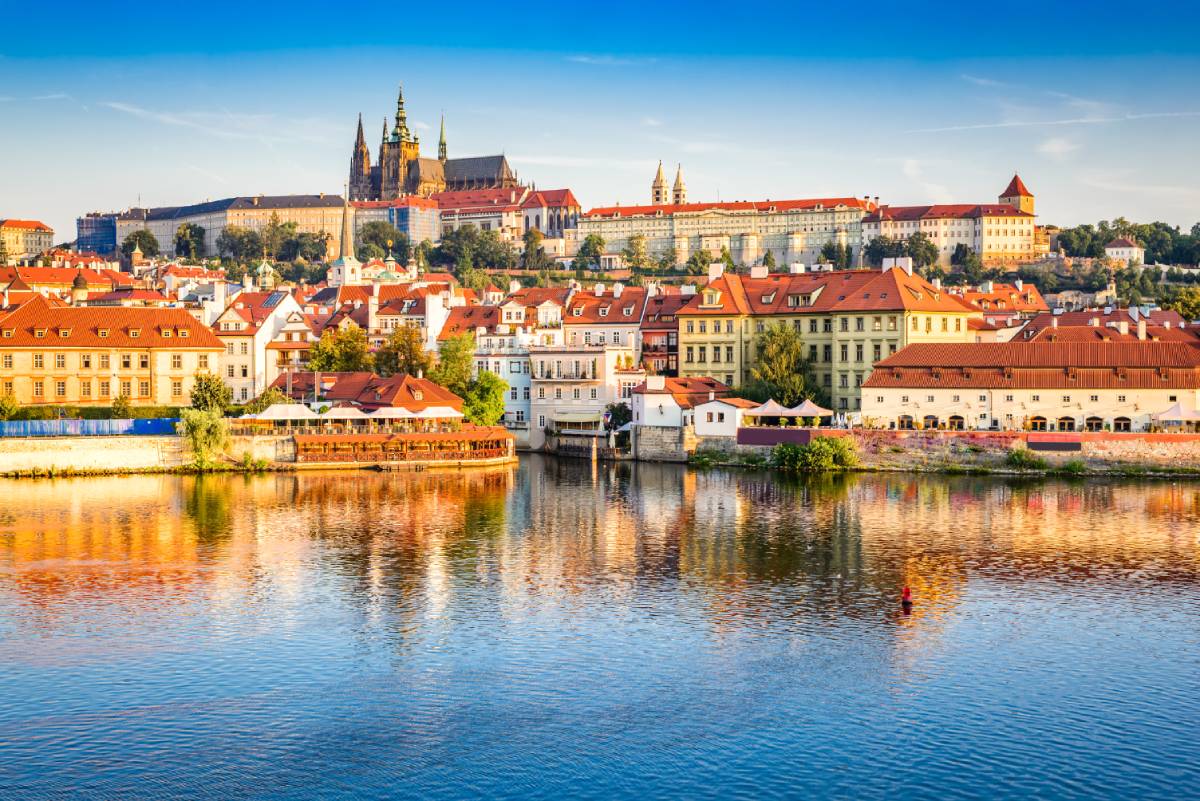
Cross Charles Bridge before 8am and you'll have it nearly to yourself. From there, Old Town Square and the Astronomical Clock, Prague Castle, and St Vitus Cathedral fill a full and satisfying two days. The Jewish Quarter deserves a half-day on its own. April to May and September to October are the sweet spots; summer brings large tour groups that slow everything down.
Budapest: thermal baths, grand architecture, and ruin bars
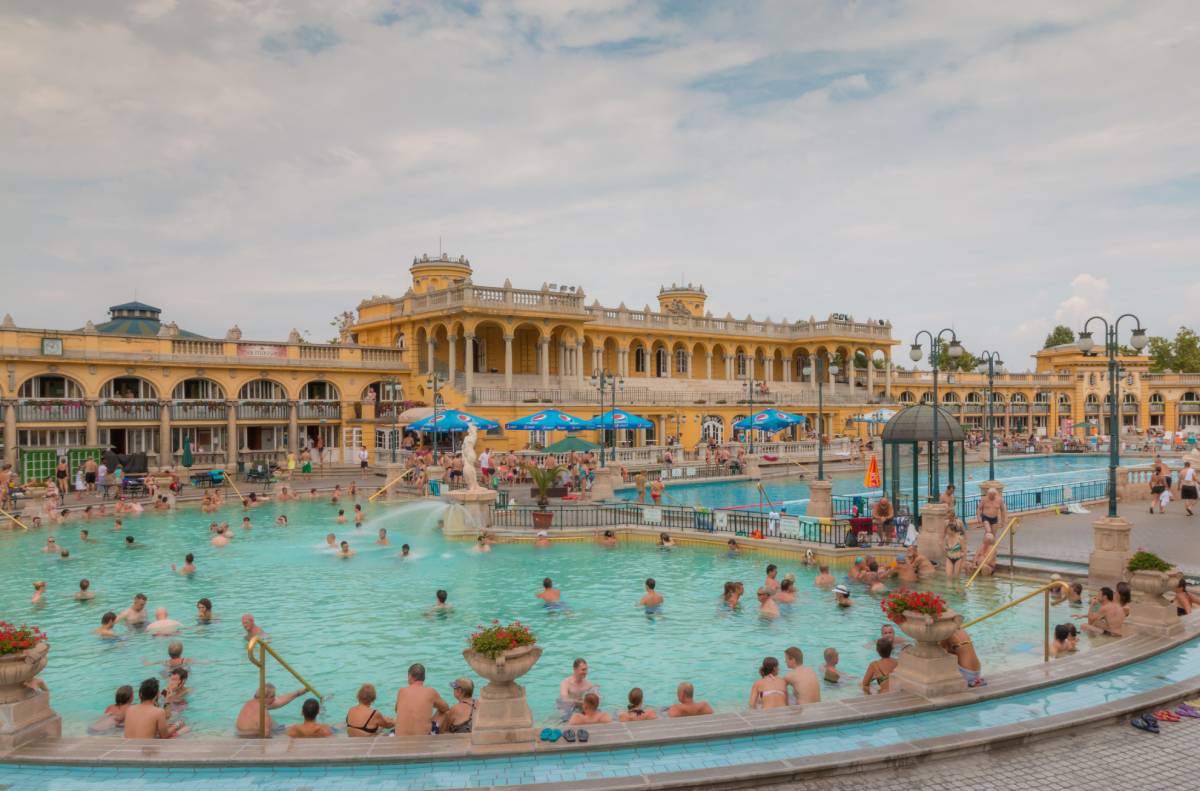
The Hungarian Parliament Building, Fisherman's Bastion on the Buda side, and Széchenyi Thermal Bath form the core of any visit. Combine Széchenyi with Heroes' Square for a full morning, and book Parliament entry in advance to avoid the queue. May to June and September offer noticeably lower hotel prices than the summer peak, without sacrificing any of the city's appeal.
Vienna: coffee houses, Klimt, and imperial grandeur
The Kunsthistorisches Museum, Schönbrunn Palace and its gardens, and St Stephen's Cathedral anchor a three-to-four-night visit without any sense of rushing. The Vienna City Card can cover public transport and offer discounts at a range of museums and attractions, making it worth checking before you arrive. March to May and September are the most comfortable travel windows; December brings atmospheric Christmas markets alongside bigger crowds.
Iberian cities worth booking before everyone else does
Lisbon, Porto, and Seville represent the current sweet spot of affordability, character, and reliable sunshine. All three reward a slower pace and an appetite for good food.
Lisbon: the Iberian capital that rewards slow exploration
Alfama and São Jorge Castle suit a morning wander, while Belém's tower and Jerónimos Monastery work well as an afternoon grouping on a second day. Tram 28 is slow, but the route through the city's historic neighbourhoods is a highlight in itself. March to May and September to October bring warm, dry conditions at significantly lower prices than July and August.
Porto: wine cellars, river views, and a compact old town
The Ribeira waterfront, Dom Luís I Bridge, and the azulejo-tiled interior of São Bento station are all within easy walking distance of each other. Cross the bridge to Vila Nova de Gaia for wine-cellar tours; most are free or low cost and include a tasting. Book ahead in summer to secure your preferred slot. May to June or September gives you good weather, and early autumn adds the bonus of harvest-season day trips into the Douro Valley.
Seville: flamenco, tapas, and Europe's most dramatic cathedral
Seville Cathedral and La Giralda tower, the Real Alcázar palace complex, and Barrio de Santa Cruz for an evening wander cover the highlights comfortably across two days. Book morning entry for the Real Alcázar and allow at least two hours; it is one of Europe's most underrated palaces and rewards that time. March to May is the ideal window: April's Feria de Abril is spectacular but fills hotels fast, while October offers the same pleasant temperatures without the festival crowds.
Adriatic and Mediterranean city escapes to put on your radar
Dubrovnik, Split, and Valletta each combine walkable old towns with genuine coastal scenery. The choice depends on your crowd tolerance and how far you want your budget to stretch.
Dubrovnik: Croatia's walled city on the Adriatic
The Old Town city walls, the Stradun promenade, and the cable car up to Mount Srđ for panoramic views make for a full and memorable visit. Walk the full city walls early in the morning when the light is best and the crowds are thinnest. May to June and September to October are the recommended windows; July and August bring cruise-ship crowds that push the Old Town well beyond comfortable.
Split: Croatia's second city with Roman ruins at its core
Diocletian's Palace is a UNESCO World Heritage Site, but unlike most ancient monuments, it is still a living neighbourhood with local bars and restaurants built directly into Roman walls. The Riva waterfront promenade and ferry connections to the Dalmatian islands round out a visit easily. June or September hits the balance between reliable weather and manageable visitor numbers, and at shoulder-season prices, Split is one of the best cities to visit in Europe for a coastal city break.
Valletta: Europe's smallest capital with outsized character
St John's Co-Cathedral houses two Caravaggio masterpieces and is the city's essential first stop. The Upper Barrakka Gardens give the best views over the Grand Harbour, and a short ferry ride to the Three Cities offers a completely different perspective back towards Valletta. The entire city centre is compact enough to explore on foot, making it ideal as a long-weekend city break from the UK. Spring and autumn are the most comfortable seasons; summer is hot and busy.
Which under-the-radar European cities are worth visiting in 2026?
If you want fewer queues, better value, and a more genuine local atmosphere, these three must-visit cities in Europe belong at the top of your shortlist.
Krakow: Poland's royal city at a fraction of Western European prices
Wawel Castle and Cathedral, the vast Rynek Główny main market square, and the Schindler Factory museum fill two to three days without any sense of rushing. Krakow is consistently cited as one of the most affordable European city breaks for UK travellers, with hotel prices and dining costs well below Western European equivalents. May to June and September are the best months; winters are cold but atmospheric, with Christmas markets worth the trip.
Ghent: Belgium's student city with canals, art, and no queues
Gravensteen Castle, the Van Eyck Altarpiece at Sint-Baafskathedraal, and the Graslei waterfront at dusk are the headline attractions in a city that most tourists skip in favour of Bruges. And that is precisely the point: shorter queues, lower prices, and a more genuine local atmosphere, backed by a lively food and café scene that Bruges cannot match after dark. Ghent is roughly 30 to 40 minutes by train from Brussels, making arrival straightforward.
Ljubljana: Slovenia's compact and effortlessly liveable capital
Ljubljana Castle, the Triple Bridge, and the Central Market area sit within easy walking distance of each other in a car-free city centre that genuinely rewards wandering. The city pairs naturally with a night or two at Lake Bled for anyone planning a slightly longer break. May to September is the best window, with the Ljubljana Festival in June and July adding outdoor concerts and cultural events to the itinerary.
Best time to visit cities in Europe that suit your trip type?
Across most destinations on this list, April to June and September to October represent the most practical travel windows. Summer is higher priced and busier, particularly across southern Europe; Central European cities hold up slightly better in July and August, but costs still rise. For shoulder-season flights, booking several weeks ahead generally keeps costs manageable, exact lead times vary by route and airline, so it's worth checking fares early and setting price alerts.
Broadway Travel packages flights and hotels together for most of the destinations covered here, giving you a single, transparent price rather than piecing together individual bookings across multiple sites. All packages are ATOL-protected, so your money is covered. Search by destination and travel date on the Broadway Travel website to compare city-break packages and check availability for your preferred window.
Ready to book your next European escape?
The 15 cities covered in this guide, Paris, Rome, Barcelona, Prague, Budapest, Vienna, Lisbon, Porto, Seville, Dubrovnik, Split, Valletta, Krakow, Ghent, and Ljubljana, represent the full range of what European city travel offers in 2026. From iconic capitals with centuries of history to compact, crowd-free alternatives that most tourists walk straight past, there is a destination on this list for every trip type, budget, and appetite. These are, by any measure, among the best cities to visit in Europe right now.
The most important decision is matching the city to your travel style rather than defaulting to the most familiar name on the list. If you want maximum culture per night, Rome and Vienna reward a longer stay. If you have three days and want genuine value, Krakow or Ghent will surprise you. If coastal scenery matters as much as cobbled streets, Split and Dubrovnik in shoulder season are hard to beat.
Browse the Broadway Travel website to compare city-break packages across these destinations. Filter by departure date, budget, and trip length, then book with a single ATOL-protected payment and get straight to the part that actually matters: planning your 48 hours.
Frequently Asked Questions
Are Broadway Travel city-break packages ATOL-protected?
Yes, Broadway Travel packages are ATOL-protected. This means your payment for bundled flights and hotels is covered if anything changes. You can therefore book a single package price with that financial protection in place.
When are the shoulder seasons for these European cities?
The shoulder seasons are April to June and September to October for most destinations on the list. These months offer the best mix of comfortable weather, manageable crowds and lower hotel prices, though some city-specific variations apply. Check the specific city entry for any slight differences to that general rule.
How far in advance should I book timed-entry attractions and flights?
Book major timed-entry sights well in advance and aim to arrange shoulder-season flights several weeks ahead. Timed-ticket sites named include Sagrada Família, the Vatican Museums, the Colosseum and the Real Alcázar, and arriving without pre-booked tickets in peak season can cost you hours. For flights, booking several weeks ahead generally keeps costs manageable, though exact lead times vary by route and airline.
Which cities on the list offer the best value for budget travellers?
Krakow, Lisbon and Porto are the best value picks for budget travellers. These cities consistently deliver lower hotel and dining costs compared with many Western European counterparts. They also make excellent short-break options without stretching your annual leave.
How can I find and filter Broadway Travel city-break packages?
Search by destination and travel date on the Broadway Travel website and use filters for departure date, budget and trip length. Most packages bundle flights and hotels into a single, transparent price and cover most of the destinations listed. This lets you compare options quickly and then book with ATOL protection.