

Gran Canaria delivers one of the most complete single-island holiday experiences available to British travellers: Saharan-style dunes at Maspalomas, sheltered resort beaches along the southern coast, a colonial capital in Las Palmas de Gran Canaria and a volcanic mountain interior that rewards a full day's exploring. It is a consistently popular year-round sun option for many UK travellers, and for good reason. The southern resorts receive some of the most reliable sunshine in Europe regardless of the month. Booking a bundled package deal, covering flights, accommodation and transfers in one straightforward booking, is a popular choice for those who want to lock in a clear total from the start. This gran canaria travel guide covers where to stay, which highlights are worth your time, the best months to travel and how to get around the island without overpaying.
Key takeaways
- Year-round destination: The southern coast averages 21°C in January and 29°C in August, making the island viable for any month of the year.
- Resort choice matters: Maspalomas suits families, Puerto de Mogán suits couples, and Playa del Inglés is the go-to for nightlife and LGBTQ+ travellers.
- Hire a car for the interior: Buses cover the southern resorts and Las Palmas well, but a hire car is essential for Roque Nublo, Tejeda and the mountain villages.
- Prime travel months: April to June and September to October offer warm temperatures, smaller crowds and comfortable conditions for both beaches and hiking.
- Package deals simplify pricing: Bundling flights, accommodation and transfers removes the pricing uncertainty that DIY booking creates.
- Book Roque Nublo in advance: Access to the main trail requires a free reservation and QR code; hourly visitor numbers are capped at 60.
What makes Gran Canaria stand out from other Canary Islands holidays?
Gran Canaria earns its nickname "a continent in miniature" honestly. Within a short drive of each other, you will find desert dunes, pine forests, volcanic peaks and a cosmopolitan city with a genuine historic quarter. That variety is the core reason the island appeals equally to beach seekers, hikers and culture travellers in a way that few single destinations can match.
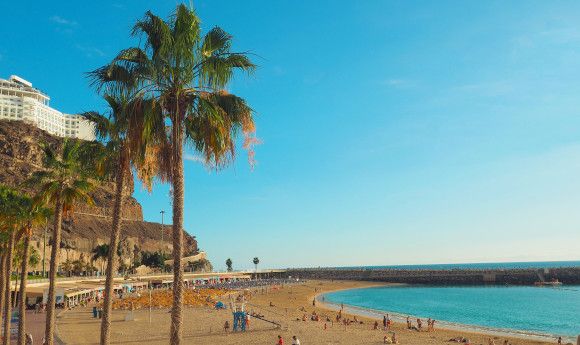
The southern coast, where most resorts sit, is sheltered from trade winds by the island's mountainous spine. Southern resorts such as Maspalomas and Puerto Rico regularly reach 21°C even in January, and the summer months push daily highs to 28–29°C with an almost entirely rain-free forecast.
Which resort suits your holiday style?
Choosing the right base makes a significant difference to your experience. The southern coast clusters most of the island's major resorts within a relatively short stretch, but the atmosphere, beach conditions and facilities vary considerably between them.
Maspalomas - Long beaches, the dunes, large resort pools, kids' clubs and easy access to water parks - Perfect for families with young children.
Puerto Rico - Sheltered bay with calmer swimming, boat trips, watersports and family entertainment - Perfect as a self-contained family resort
Taurito - Compact resort with the Lago Taurito water park practically on the doorstep - Ideal for couples and romance
Puerto de Mogán - Canal-side restaurants, flower-draped buildings and a relaxed fishing-village pace - For upscale couples
Meloneras - Modern four and five-star hotels, a smart promenade and a quieter atmosphere - Best for nightlife and clubs
Playa del Inglés - The island's largest concentration of bars, clubs and the Yumbo Centre nightlife hub - For groups wanting space near nightlife in Maspalomas - Directly adjacent to Playa del Inglés but noticeably more spacious and relaxed
Families and couples
Puerto de Mogán deserves special mention for couples. Its whitewashed buildings, canal-side restaurants and unhurried fishing-village pace create an atmosphere unlike anything else on the southern coast. Meloneras offers a polished alternative: newer hotels, a well-kept promenade and a calm that neighbouring Playa del Inglés simply cannot match.
Nightlife and LGBTQ+ travellers
For nightlife, Playa del Inglés is the clear choice. The Yumbo Centre serves as both the island's main late-night venue cluster and one of Europe's best-known LGBTQ+ destinations, hosting Maspalomas Pride in May and Winter Pride in November.
The beaches and island highlights worth your time
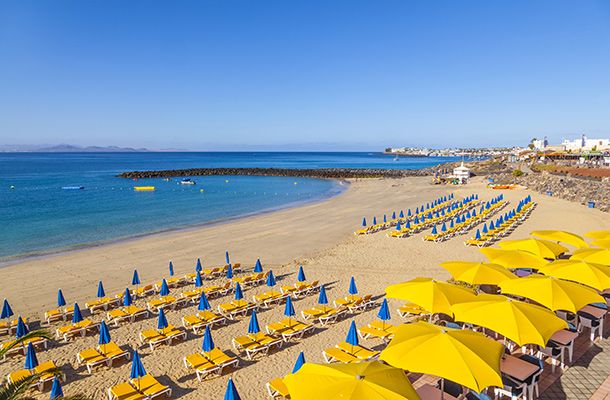
The Maspalomas dunes are the island's most photographed feature, and they justify every photograph. Walking through the desert-like dune system toward the lighthouse and beach is a genuine highlight: arrive early in the morning or near sunset to get the best light and avoid the midday heat, and stay on marked paths to protect the fragile landscape. Playa de Las Canteras in Las Palmas offers a striking contrast, a long urban beach where a natural reef creates unusually calm bathing conditions for an Atlantic coast.
Puerto de Mogán is worth a day trip even if you are not based there. The marina walk, a weekly market and the nearby beaches make for a full and unhurried day. From there, the island's mountain interior becomes the next logical step. Roque Nublo, the iconic volcanic monolith, sits at the centre of a protected rural park combining pine forest, dramatic viewpoints and some of the island's finest scenery. Note that access via the main trail from Degollada de La Goleta requires a free advance reservation and QR code. Entry is capped at 60 people per hour between 10:00 and 17:00 daily, so book ahead, particularly for weekends.
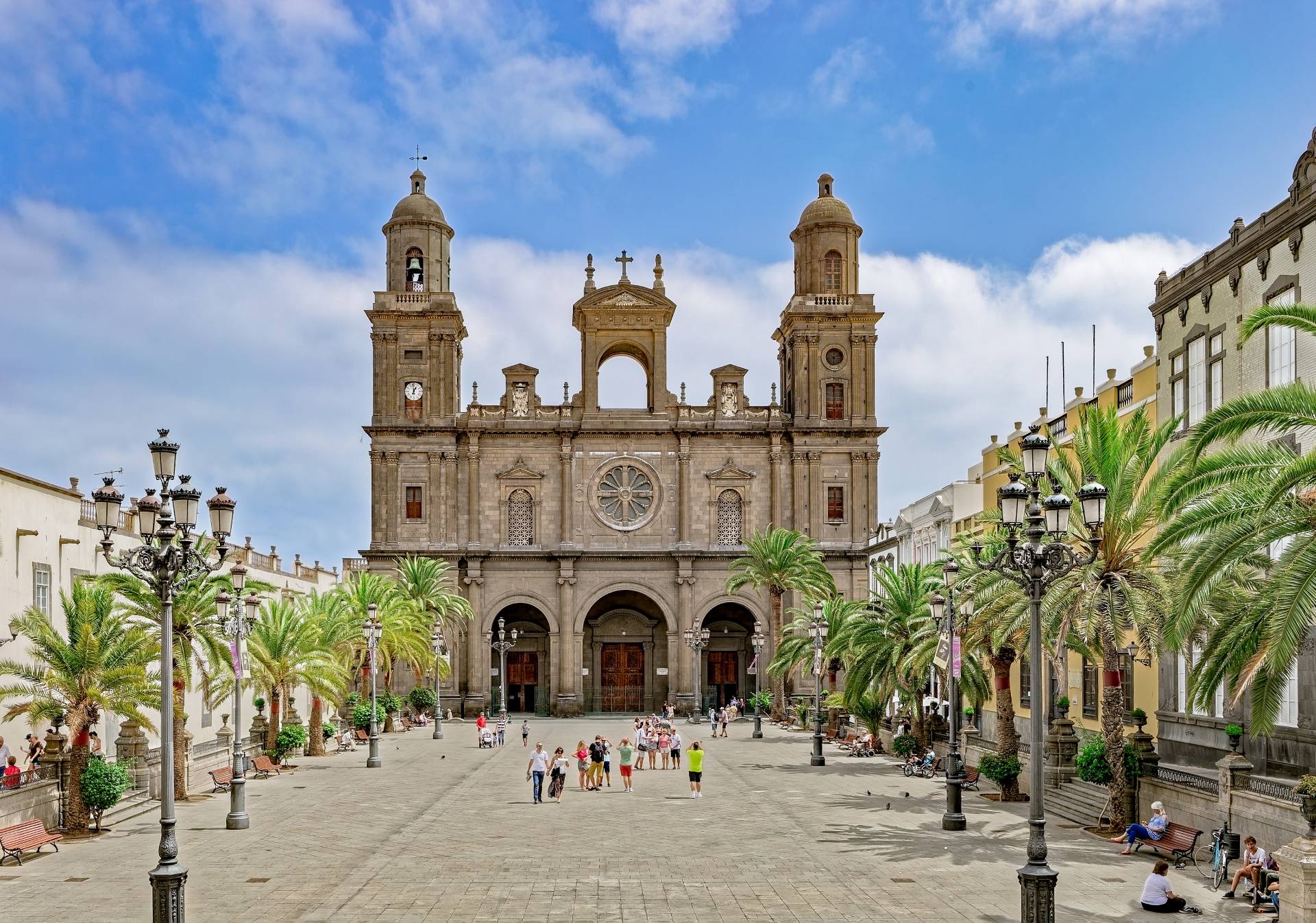
Tejeda, a short drive away, offers panoramic views, traditional architecture and local almond sweets. Barranco de Guayadeque, the island's most dramatic ravine, adds cave restaurants and rugged scenery to a mountain day. The interior requires a hire car and is well worth the effort. Las Palmas is frequently overlooked by visitors staying in the southern resorts, but the Vegueta historic quarter alone justifies a half-day: Santa Ana Cathedral, the Casa de Colón and the traditional streets around it form one of the most atmospheric colonial centres in the Atlantic. Las Canteras beach, right in the city, rounds off a visit nicely for travellers who want a city-break feel alongside their beach holiday.
When is the best time to visit Gran Canaria?
April through June and September through October hit the ideal window. Temperatures sit between 23°C and 28°C, rainfall is minimal and resorts are noticeably quieter than during peak summer. Sea temperatures are comfortable from June onwards and remain warm through October, which suits swimming and water sports particularly well.
July and August are the hottest months, with daytime highs of 28–29°C and an almost entirely rain-free forecast. Expect higher prices and busier resorts during these peak weeks. December through February is mild by European standards, averaging around 21°C, and popular with winter-sun seekers from the UK. However, the Christmas and school holiday periods push up demand, and weather becomes more variable. One occasional disruption worth knowing about: the calima, a hot dusty wind from the Sahara, can affect the island in late winter and summer, temporarily reducing visibility and making conditions feel considerably warmer than the thermometer suggests.
How do you get around once you're there?
A hire car is the most practical option for anyone planning to explore the mountain interior, remote beaches or villages such as Tejeda and Agaete. Bear in mind that mountain roads are steep, narrow and winding: journey times are often much longer than the distance on a map suggests, so plan accordingly and avoid combining too many destinations in a single day.
For travellers based in the southern resorts who mainly plan to visit nearby areas, the Global bus network (known locally as "guaguas") covers most routes at very reasonable fares. As a general guide, typical 2026 fares and journey times vary by service, check Global bus timetables and fares before travel for the most accurate figures. For Tejeda and Roque Nublo, public transport involves changes and can take several hours each way: if you are heading into the mountains, a hire car is strongly recommended.
How to plan your Gran Canaria trip without overpaying
Booking flights and accommodation separately can look like the cheaper option during the research stage, but it rarely stays that way once transfers, luggage fees and mid-booking hotel rate changes are factored in. A late hotel-rate change, a budget-airline baggage fee and a transfer taxi can easily add up to a meaningful sum per person before you have even left the airport. A bundled package deal locks in your flight and accommodation together, frequently with airport transfers included, and sets one clear total from the outset. Broadway Travel offers bundled package holidays that combine flights and accommodation with ATOL protection.
To help you build your itinerary, here are three practical frameworks to work from. For three days: spend day one at the Maspalomas dunes and beach; use day two for Puerto de Mogán and the southwest coast; dedicate day three to Las Palmas, covering Vegueta and Las Canteras. For five days: follow the three-day plan and add a full mountain interior day covering Roque Nublo, Tejeda and the Caldera de Bandama, plus an evening exploring Playa del Inglés. For seven days: incorporate the northwest coast at Agaete and Puerto de Las Nieves, a dedicated stargazing evening in the highlands (Gran Canaria is recognised as a Starlight Destination), and allow a slower pace throughout rather than rushing between destinations. These are starting points: your resort base and travel style will shape the final order. If you are still working out what to do in Gran Canaria, use these as a prompt rather than a fixed plan.
Ready to book your Gran Canaria holiday?
Few single islands offer this range so accessibly: Saharan dunes and sheltered beaches in the south, volcanic peaks and traditional villages inland, a colonial capital with an outstanding urban beach, and reliable sunshine throughout the year. Direct flights from many UK airports take around four hours, making this one of Europe's most straightforward long-weekend or full-week destinations.
For the most balanced experience, base yourself in Maspalomas for families, Puerto de Mogán or Meloneras for couples, and allow at least one full day for the mountain interior with a hire car. If your dates are flexible, aim for April to June or September to October: warm temperatures, comfortable sea swimming and fewer crowds make those the optimal travel months. Sort your transport plan before you travel, and book Roque Nublo access as early as possible if mountain hiking is on your list.
Get in touch with our team at Broadway Travel to explore Gran Canaria package deals that bundle flights and accommodation from the outset, with ATOL protection built in.
Frequently Asked Questions
How do we reserve access to Roque Nublo for a hike?
You need a free advance reservation and a QR code to access Roque Nublo via the main trail from Degollada de La Goleta. Entry is capped at 60 people per hour between 10:00 and 17:00 daily, so book ahead, particularly for weekends. Plan your mountain day around this restriction to avoid disappointment.
What is the calima and how might it affect our holiday?
The calima is a hot dusty wind from the Sahara that can reduce visibility and make conditions feel considerably warmer than the thermometer suggests. It can occur in late winter and summer and may temporarily affect beaches and mountain views. Consider flexible plans for outdoor activities during those periods.
Are package deals genuinely better than booking flights and accommodation separately?
Bundled package deals lock in flights, accommodation and often transfers to produce one clear total and can avoid late hotel-rate changes, baggage fees and transfer costs that add up. Packages frequently include ATOL protection and remove the pricing uncertainty that DIY booking can create. Compare the all-in cost with separate bookings to decide which suits your budget and risk tolerance.
Can we rely on buses to reach mountain villages like Tejeda and Roque Nublo?
Public buses (the Global guaguas network) cover many routes but reaching Tejeda and Roque Nublo by public transport involves changes and can take several hours each way. If you plan to explore the mountain interior, a hire car is strongly recommended because buses are slow for those destinations and mountain roads are steep and winding. For southern-resort itineraries, buses remain a very reasonable option.